

Foreign Investment in Qatar: Rules, Benefits, and ROI
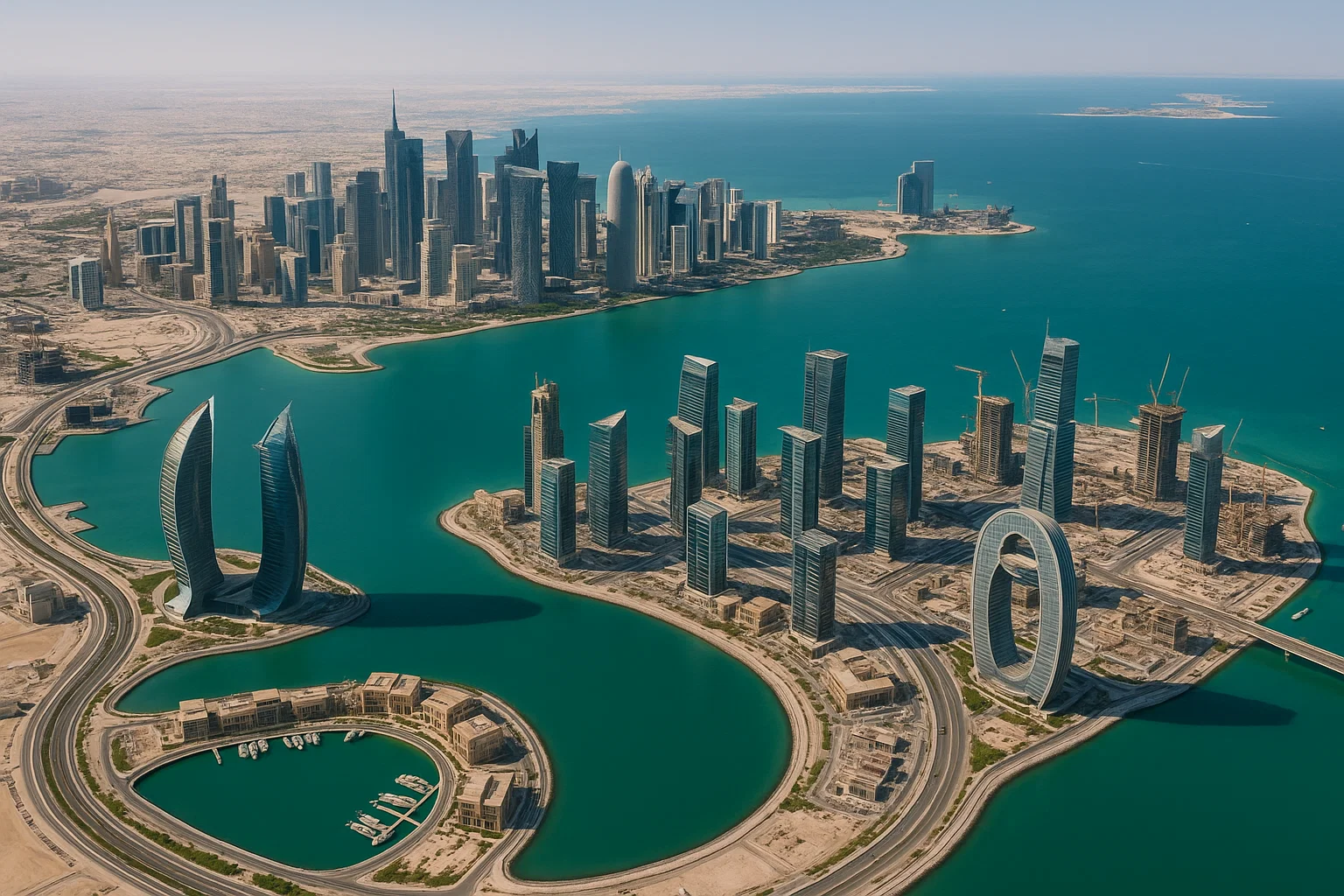
Banke International Properties is a trusted real estate consultancy with global experience and a strong presence across the GCC. Whether you’re exploring Qatar, Dubai, or other regional markets, our team provides expert guidance, data-backed insights, and exclusive access to top-tier projects. We help investors identify high-ROI opportunities and make secure decisions with confidence.
If you are considering entering the Qatar real estate market 2025, Banke International Properties is ready to guide you every step of the way.
1. Overview of Foreign Investment in Qatar
Qatar has progressively liberalized its investment framework to encourage foreign participation in key sectors. The government has introduced regulations that allow foreign nationals to invest in real estate, commercial projects, and businesses while enjoying secure ownership rights.
Foreign investment in Qatar includes:
Real estate: Residential, commercial, and freehold properties
Business ownership: Startups, partnerships, and joint ventures
Hospitality and tourism projects
Industrial and logistics sectors
Investors should familiarize themselves with Qatar foreign investment rules to ensure compliance and maximize returns.
2. Key Qatar Foreign Investment Rules
The Qatari government has established a legal and regulatory framework to facilitate foreign investment while protecting national interests. Here are the most important rules:
a. Freehold Property Ownership
Foreigners can purchase properties in designated freehold zones.
Full ownership rights include land, resale, rental, and inheritance privileges.
Popular freehold areas include The Pearl-Qatar, Lusail City, West Bay Lagoon, and Msheireb Downtown Doha.
b. Company Formation Rules
Foreign investors can establish companies with 100% ownership in free zones.
Outside free zones, foreign ownership often requires a local Qatari partner (usually 51% local ownership).
Free zone companies benefit from tax exemptions and simplified licensing.
c. Investment Licensing
Investors must obtain an Investment License from the Qatar Financial Centre (QFC) or Ministry of Commerce and Industry (MOCI).
Licenses are categorized based on sector, size, and investment type.
d. Residency Benefits
Property investors may qualify for renewable residency permits depending on the property value.
Investors contributing to large-scale commercial or industrial projects may be eligible for long-term residency.
e. Regulatory Compliance
All investments must comply with Qatari civil, commercial, and property laws.
Investors are advised to conduct due diligence and engage legal counsel for transactions.
Understanding these Qatar foreign investment rules ensures that investors operate within legal frameworks and minimize risk.
3. Benefits of Buying Qatar Freehold Properties
Qatar provides a highly investor-friendly environment with a range of incentives and benefits:
a. Economic Stability
Qatar boasts one of the highest GDP per capita in the world and maintains a strong financial system, making investments safer and more predictable.
b. High ROI Potential
Real estate: Residential and commercial properties yield 5–10% annually.
Commercial ventures: Offices, retail, and hospitality can provide 7–12% returns, especially in prime zones like West Bay and Lusail.
c. Tax Advantages
No property tax
No income tax on rental income
No capital gains tax on property transactions
d. Diversification Opportunities
Investors can diversify portfolios across:
Residential apartments and villas
Commercial offices and retail spaces
Tourism and hospitality assets
Industrial and logistics zones
e. Strategic Location
Qatar is located at the crossroads of Asia, Europe, and Africa, providing access to key global markets and facilitating trade and business expansion.
4. Top Investment Sectors in Qatar
Understanding the key sectors is crucial to maximize ROI from foreign investment in Qatar.
a. Real Estate
Freehold properties in Lusail, The Pearl, and West Bay offer high rental yields and capital appreciation.
Luxury and waterfront properties remain in high demand among expatriates and international buyers.
b. Commercial Ventures
Office spaces, retail shops, and coworking hubs in Doha and Lusail continue to attract high returns.
Free zones allow foreign entrepreneurs to fully own their businesses without a local partner.
c. Hospitality & Tourism
Qatar’s booming tourism sector drives short-term rental demand.
Investments in hotel apartments, resorts, and serviced residences are highly profitable.
d. Industrial & Logistics
Warehousing, manufacturing, and logistics hubs are strategically growing due to Qatar’s expanding trade and export market.
5. Investment Hotspots in Qatar
1. Lusail City
Smart city with high-tech infrastructure, entertainment hubs, and residential towers.
Ideal for high-value real estate and commercial ventures.
2. The Pearl-Qatar
Luxury island community with waterfront apartments, villas, and marina access.
Offers high rental demand and premium lifestyle amenities.
3. West Bay
Doha’s business district featuring high-rise offices and premium apartments.
Strong corporate rental demand ensures steady income.
4. Msheireb Downtown Doha
Smart city blending heritage and modern living.
Ideal for mixed-use, residential, and hospitality investments.
5. Al Wakrah & Al Wukair
Growing suburban communities offering affordable properties with long-term growth potential.
These areas provide diverse options for Qatar foreign investment, catering to both luxury and mid-range market segments.
6. ROI Expectations for 2025
The Qatar foreign investment rules combined with strong market fundamentals create significant returns:
| Sector | Expected ROI (2025) |
|---|---|
| Residential Apartments | 5% – 9% |
| Villas | 4% – 7% |
| Commercial Properties | 7% – 10% |
| Hospitality & Short-Term Rentals | 8% – 12% |
Investors can achieve both steady rental income and long-term capital appreciation by selecting prime locations and emerging zones.
7. Tips for Successful Foreign Investment in Qatar
Understand regulations: Familiarize yourself with Qatar foreign investment rules before committing.
Choose strategic locations: Focus on high-demand areas with strong rental yields.
Partner with professionals: Engage licensed real estate agents, legal advisors, and consultants.
Diversify investments: Mix residential, commercial, and hospitality assets.
Monitor market trends: Keep track of infrastructure projects, tourism developments, and policy updates.
Following these steps ensures higher ROI and a secure investment experience.
How Banke International Properties Can Help
Banke International Properties is a leading real estate consultancy with deep expertise in GCC markets. Our team offers:
Insights into the best freehold and commercial investment zones
Assistance with legal compliance and documentation
Tailored investment strategies for high ROI
Exclusive access to top-tier Qatar properties
If you are considering foreign investment in Qatar, Banke International Properties can guide you through every step, ensuring a secure, profitable, and hassle-free experience.
Conclusion
Qatar has firmly established itself as a premier investment destination in the Gulf. With well-defined Qatar foreign investment rules, attractive tax policies, and robust economic growth, foreign investors can confidently explore opportunities in real estate, commercial ventures, and hospitality. Prime locations like Lusail, The Pearl-Qatar, and West Bay offer high returns and lifestyle benefits, making 2025 an ideal time to invest in Qatar.